



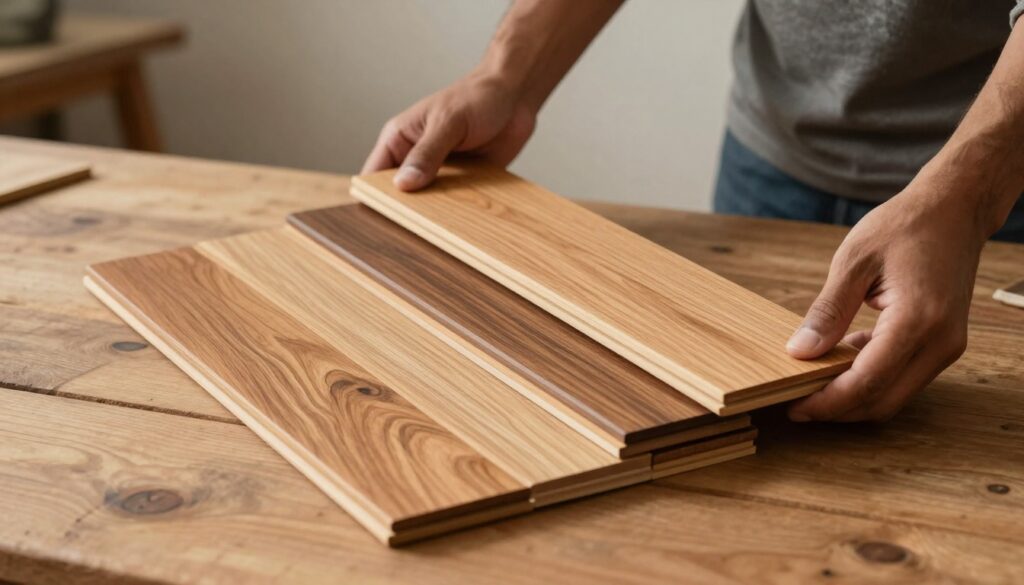
Standing over a stack of sample boards can feel like ordering coffee with 20 options when deciding which hardwood floor species for home. Everything looks good, and then you remember you’ll live with this choice every day.
The truth is, most “best hardwood floor species” advice skips the stuff that changes how a floor lives, balancing aesthetics and durable wood floors: how scratches show up, how stain takes, and how the boards react when your home swings from humid summer air to a dry winter heater.
This guide breaks down the most common hardwood floor species in plain terms, so you can pick what fits your home, your style, and your tolerance for dents.
What actually changes from species to species (beyond the color)
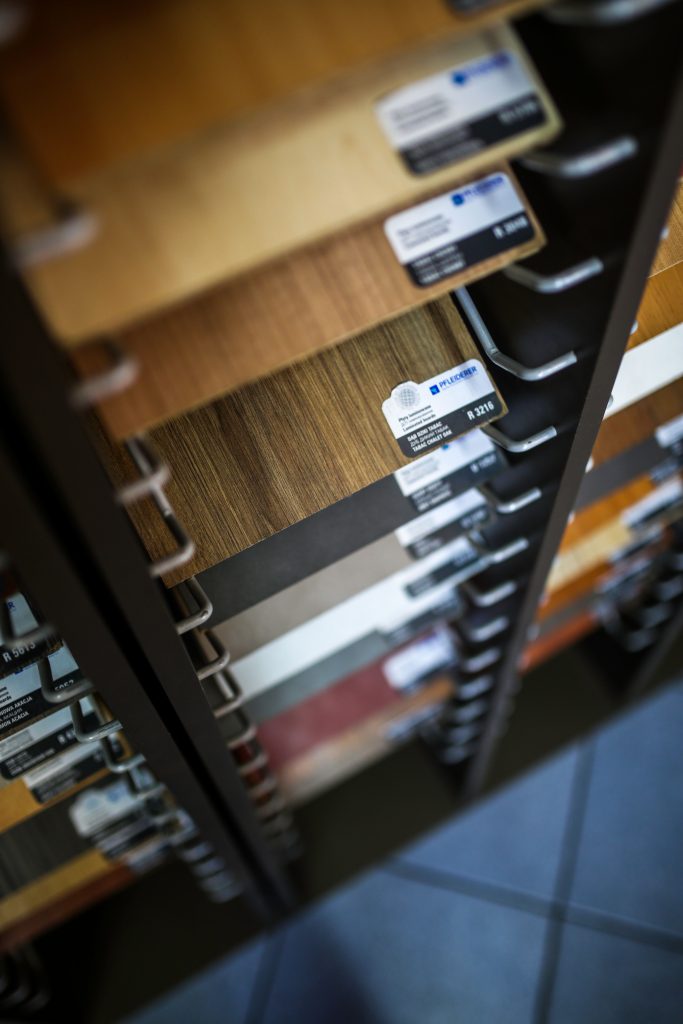
Hardness helps, but it’s not the whole story
Hardness, measured on the Janka hardness scale (often via the Janka test), offers a decent clue for dent resistance through its Janka rating. If you have kids, big dogs, or lots of guests in high-traffic areas, it’s smart to look at hardness charts and keep expectations realistic. The National Wood Flooring Association explains how hardness relates to real-life wear in its wood flooring durability overview.
Still, hardness doesn’t guarantee a “scratch-proof” floor. Most scratches cut into the finish first, not the wood.
Grain pattern decides what you notice
Think of wood grain like fabric texture. A busy grain pattern hides small scuffs the way tweed hides lint. A smooth, even grain is like a crisp white shirt, everything shows.
- Open or varied grain (common in oak and hickory) tends to hide everyday scratches better.
- Tight, uniform grain (common in maple) can make scratches and sheen changes stand out, especially in bright light.
Stain and color change can surprise you
Some species stain easily and predictably. Others can blotch or look “patchy” without the right prep.
Also, wood changes color with light and time. If you’re matching existing floors or cabinets, that matters. For deeper background on how wood behaves as a material (including natural variation), the USDA Forest Products Laboratory covers it in the Wood Handbook.
Solid vs engineered is often the real decision
If you’re installing over concrete (common in parts of the Atlanta area), below grade, or you just want more stability and moisture resistance, engineered hardwood flooring is usually the safer bet. Solid hardwood flooring can be perfect too, but it asks more from the home: stable indoor humidity, good subfloor conditions, and careful acclimation.
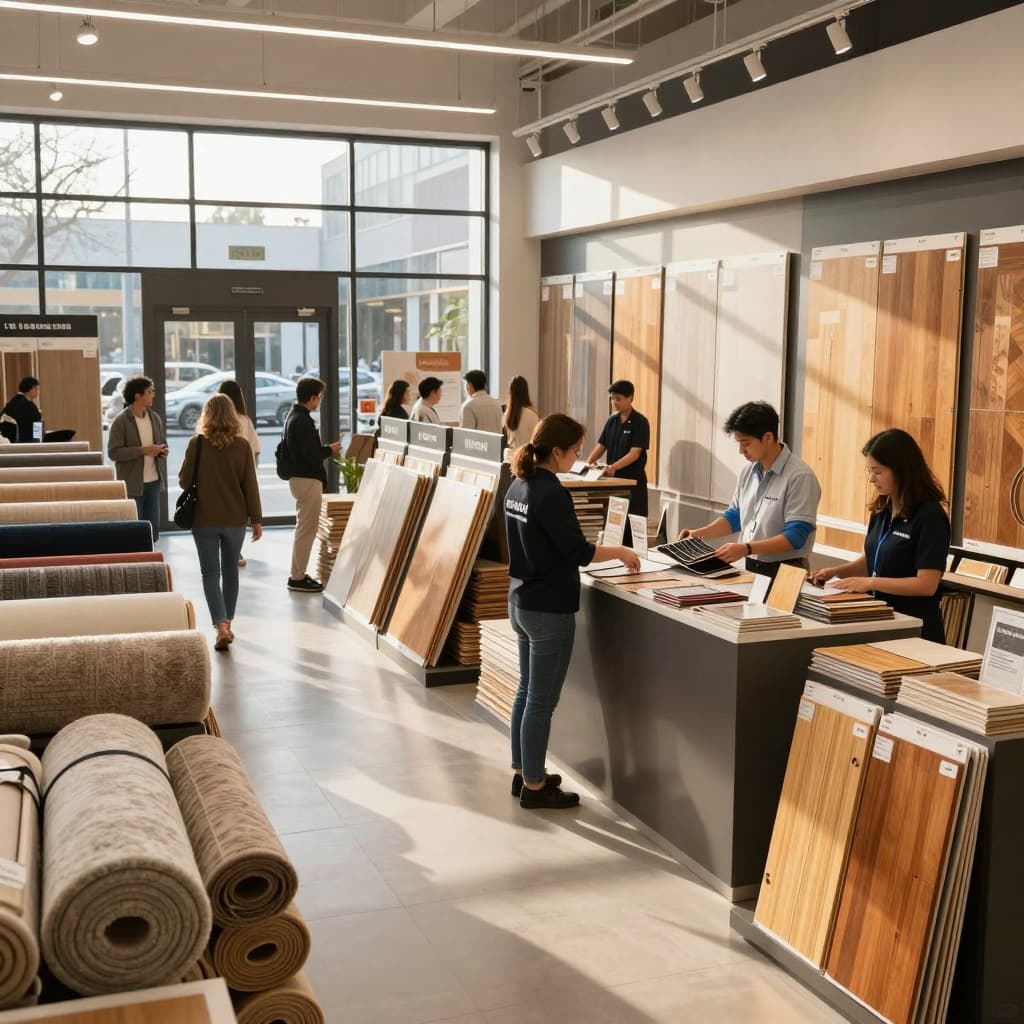
Popular wood species for hardwood floors, compared like a homeowner would
Here’s a practical look at five favorites. Prices in 2026 still swing a lot by plank width, grade, finish (site-finished vs prefinished), and supply, so think in relative ranges rather than fixed numbers.
SpeciesLook and grainScratch visibilityStain behaviorTypical cost tierRed oakClassic cathedral grainHides wellStains evenlyBudget to midWhite oakCleaner grain, modern-friendlyHides wellStains evenly, wide rangeMidMapleSmooth, subtle grainShows moreCan blotch, often better naturalMidHickoryBold color variation, rusticHides wellStain can look busyMid to higherWalnutRich dark brown, elegantMedium (color hides some)Often best clear or light stainPremium
Oak (red oak and white oak): the safe bet for a reason
Oak is popular because it’s forgiving, especially red oak and white oak. The active grain pattern blends small scratches right in, and stain tends to look even on both red oak and white oak. White oak also fits today’s warmer neutrals and natural matte finishes, while red oak reads more traditional (though stain can change that a lot).
Solid or engineered hardwood flooring both work well in oak. If you’re going wider plank width, engineered hardwood flooring often helps control seasonal movement.
Maple: clean and bright, but it shows life
Maple flooring gives a smooth, modern look, especially in natural or light tones. The tradeoff is that the calm grain can make dents, scratches, and “shine paths” more noticeable in sunny rooms.
Staining maple flooring can be tricky. It may blotch without the right sanding sequence and a conditioner. If you love maple flooring, many homeowners choose a clear finish and let the wood’s natural color do the work.
Hickory: high character, high contrast
Hickory hardwood has strong color variation, even within a single box. That’s a plus if you want a cabin feel or something that hides pet traffic, and ash flooring or birch hardwood make solid alternative options. It can also fight a minimalist design, because your eye keeps catching the contrasts.
If you plan to stain hickory hardwood, test samples in your lighting first. A medium stain can still look “striped” because the light and dark boards take color differently.
Walnut and cherry: beautiful, but pick them for the right room
Walnut flooring looks expensive because it is. It’s also darker, which can hide some day-to-day dirt, but dust and light pet hair can pop.
Cherry is warm and classic, but American cherry tends to darken with age due to photosensitivity, while Brazilian cherry offers more hardness. Both walnut flooring and cherry are often chosen for lower-traffic spaces (primary bedrooms, offices) where the look matters more than maximum dent resistance.
If you want more species reference in one place, the NWFA’s Wood Species technical publication (PDF) is a solid resource.
Matching the species to your home, not just your mood board
If you have pets and kids
You’ll see wear, especially in high-traffic areas. The goal is choosing a hardwood floor for dogs and wear you can live with.
- Best at hiding scratches: oak and hickory, thanks to grain movement and color variation.
- Most likely to show scratches: maple in a smooth, high-sheen finish.
- Smart upgrade: choose a matte or satin finish that fits your maintenance needs and a color with variation, even if the species is the same.
Also, trim nails and use entry mats. It sounds basic because it works.
If your home has humidity swings (hello, Georgia)
Wood moves. It expands when humid and shrinks when dry. Some species are more stable than others, but none are immune. Solid hardwood flooring reacts more noticeably, while engineered hardwood flooring offers better stability.
Two basics keep problems away:
- Acclimation: store the wood in the home so it reaches a similar moisture level before install.
- Moisture testing: check the subfloor and the wood so you aren’t trapping a mismatch under fasteners or glue.
If you’re installing over concrete, don’t guess. Engineered hardwood flooring with the right adhesive and moisture plan is often the safer path.
If you’re watching the budget in 2026
Material cost is only part of the bill. Installation method, subfloor prep, stairs, baseboards, and site finishing can move the total more than switching from red oak to white oak.
A practical way to shop: Pick the look first, then choose the hardwood floor species that achieves it with the least stress. For many homes, that’s oak in a stain you love, in a finish sheen that won’t make you chase every mark. Durable wood floors also give you the ability to refinish solid hardwood for years of value.
Sustainability and eco choices that don’t feel like homework
Sustainability isn’t only about the tree, it’s also about how long the floor lasts, whether it can be refinished, and boosting your home value as a smart property investment.
A few simple checks:
- Domestic hardwood (like oak and hickory) can mean shorter shipping routes and easier sourcing, unlike exotic wood species that often involve longer distances.
- Reclaimed wood can be a great option if you want character and reuse, but it may need extra milling and careful acclimation.
For a homeowner-friendly overview of greener options, what labels mean, and popular hardwood floor species, see Bruce’s guide to sustainable wood flooring.
Pine, mahogany, and bamboo: the three we get asked about next
Oak, maple, hickory, walnut, and cherry cover most Atlanta floors. Three others come up often enough to deserve a straight answer, and all three behave differently from the list above.
The quickest way to compare them is the Janka hardness scale, which measures the force needed to press a steel ball halfway into a board. Red oak sits at 1,290 and is the number everything else gets judged against.
| Species | Janka (vs. red oak 1,290) | What that means day to day |
|---|---|---|
| Eastern white pine | ~380 | Dents from dropped pans and dog nails. The dents become the look. |
| Heart pine (antique) | ~1,225 | Close to oak. A different material from the soft pine above. |
| Honduran mahogany | ~800–900 | Softer than oak despite the luxury reputation. |
| Natural bamboo | ~1,380 | Slightly above oak, but the surface scratches show readily. |
| Strand-woven bamboo | ~3,000+ | Very hard. Also very difficult to sand and refinish later. |
Pine: the floor that keeps a record
Pine is the most affordable solid-wood option and the softest by a wide margin. Soft pine at roughly 380 on the Janka scale is about a third as dent-resistant as red oak. A dropped skillet leaves a mark. A dog leaves a trail near the door.
Whether that is a flaw depends entirely on you. Pine ages into a warm amber and wears into something a lot of people want on purpose, especially in older homes where a flawless floor would look out of place. If you need your floor to look new in year five, pick something else.
One thing worth knowing: antique heart pine is a different animal. Milled from old-growth timber, it lands near 1,225 and holds up in the range of oak.
Mahogany: premium look, softer than it sounds
Mahogany reads as luxury, and the deep red-brown color earns that. The surprise is the hardness. True Honduran mahogany runs roughly 800 to 900 on the Janka scale, which puts it under red oak and closer to cherry.
It is dimensionally stable, which matters in Georgia. It also darkens noticeably with light exposure, so a rug left in place for two years can leave a visible outline when you move it.
Sourcing is the other consideration. Names like “African mahogany” and “Philippine mahogany” describe different species with different hardness and different grain. Ask what you are actually buying.
Bamboo: technically a grass, and the two versions are not alike
Bamboo is a grass, not a hardwood, but it installs and lives like wood flooring. It reaches harvest size in about five to seven years against several decades for an oak, which is why it shows up on sustainability lists.
The important distinction is how it is made. Horizontal and vertical bamboo is milled into strips and glued flat, landing near 1,380. Strand-woven bamboo is shredded, saturated with resin, and compressed under heat, which pushes it past 3,000.
That hardness comes with a catch. Strand-woven bamboo is so dense that refinishing it is genuinely difficult, and most wear layers are thin to begin with. It resists moisture better than most natural flooring, which makes it worth a look for basements and below-grade rooms where solid hardwood is a poor bet.
Where cork fits
Cork comes up in the same conversation and belongs in a different category. It is soft, quiet, warm underfoot, and it recovers from small dents rather than keeping them. Harvested from bark that regrows, it is genuinely renewable. Just do not expect it to survive a rolling office chair without a mat.
The short version
If you want a floor that stays crisp, none of these three is your first pick. Oak and hickory still are. Choose pine because you like how it ages, mahogany because you want the color and stability, and strand-woven bamboo because you need hardness in a humid room and can accept that refinishing it later is a project.
Not sure which way to go? Our team walks through samples in your own lighting during a hardwood flooring consultation, and we handle installation and sanding and refinishing once the choice is made.
Atlanta Floor One is here to help!
Choosing between popular wood species for flooring is really choosing the kind of “patina” you’re willing to see. Oak and hickory forgive busy homes, maple stays crisp but shows wear sooner, and walnut rewards you with depth if the room fits the lifestyle.
Start with your traffic level, your lighting, and whether you need engineered hardwood flooring for stability or solid hardwood flooring for classic appeal. Once those are set, the right hardwood floor species usually becomes obvious when you see it in your space. For the technical details like installation methods, Atlanta Floor One provides expert guidance to ensure a flawless finish.