



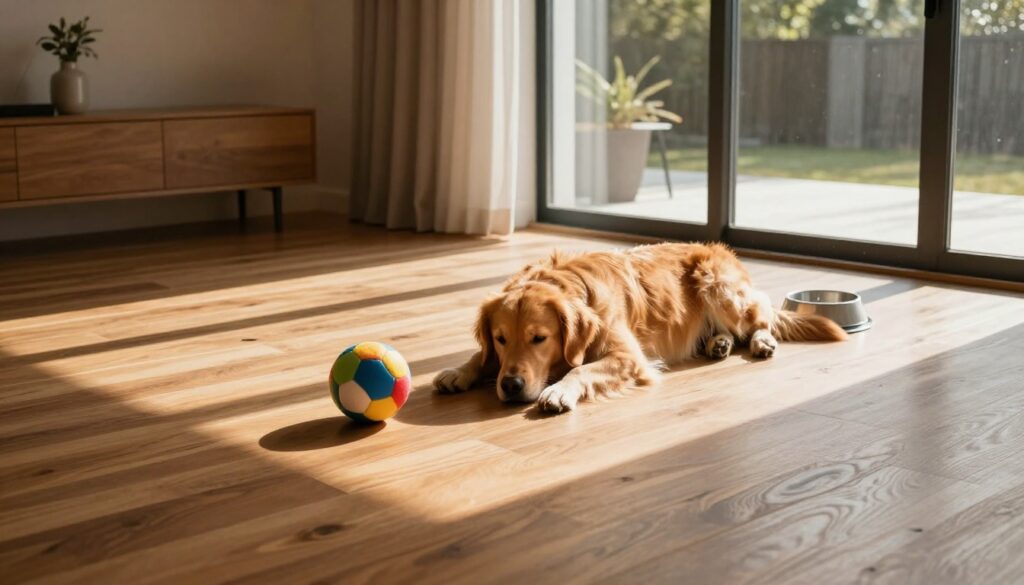
Dogs don’t walk through your house, they run, slide, nap, and come back wet. Add kids, guests, and daily foot traffic, and an average floor can look worn far too soon.
The best dog-friendly flooring has to do more than look good in a sample board. It needs to resist scratches, handle spills, clean up fast, and still feel comfortable underfoot. The right choice now saves money and frustration later.
What a floor must survive in a home with dogs
A dog puts a floor through a tougher test than most people expect. Nails leave light scratches, water bowls splash, and grit from outside works like sandpaper. Then those same spots get hit again and again, especially near doors, hallways, and feeding areas.
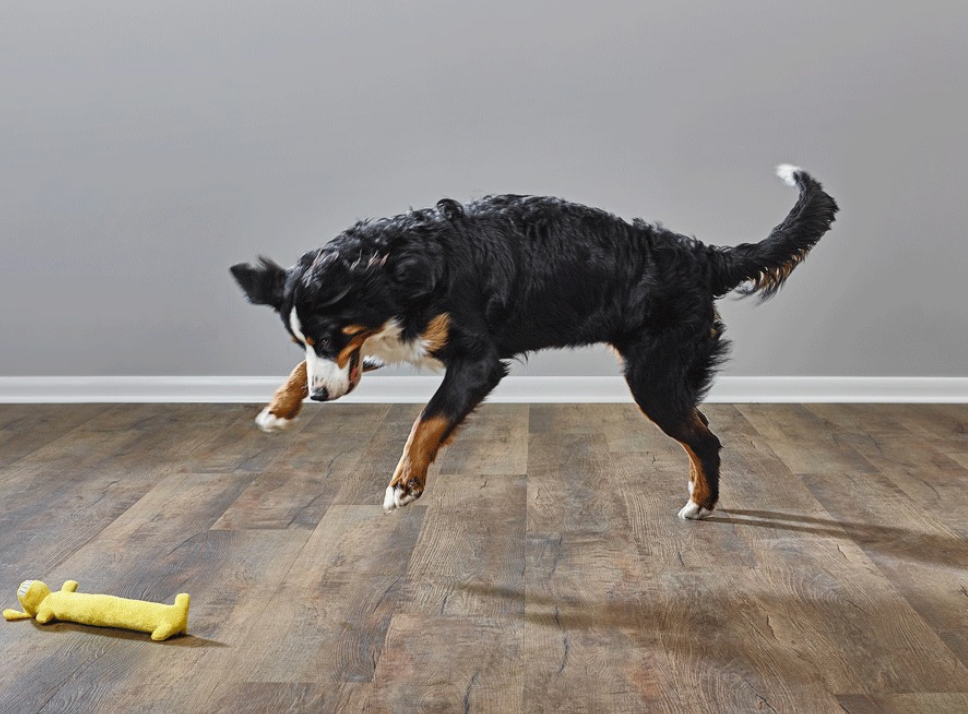
Heavy traffic changes the equation. A floor might survive pets, or it might survive a busy family, but doing both is harder. Hardness alone doesn’t solve it either, because some very hard surfaces feel cold, get slick, or show every speck of dust.
In a busy home, the best floor balances scratch resistance, water resistance, traction, and easy cleanup.
That’s why wall-to-wall carpet rarely wins this debate. It traps pet hair, holds odor, and can stain fast. Soft hardwood species struggle too, because claws can dent the surface before the finish has much chance to help.
If you want a floor that still looks warm and finished, focus on the full setup: material, finish, texture, and color. A matte finish hides wear better than high gloss. Mid-tone colors also hide dust and fur better than very dark or very pale floors.
Color matters more than many buyers expect. Golden browns, taupes, and medium grays tend to look cleaner between mopping days. Slight texture helps as well, because it gives dogs better grip, especially older pets that don’t move as steadily as they once did.
The best flooring materials for paws, spills, and traffic
For most homes, luxury vinyl plank is the safest all-around pick. It handles claws well, resists water, and feels warmer than tile. Better products also have textured wear layers that help with traction. If you’re considering luxury vinyl flooring installation, ask about wear-layer thickness, plank rigidity, and whether the product is fully waterproof.
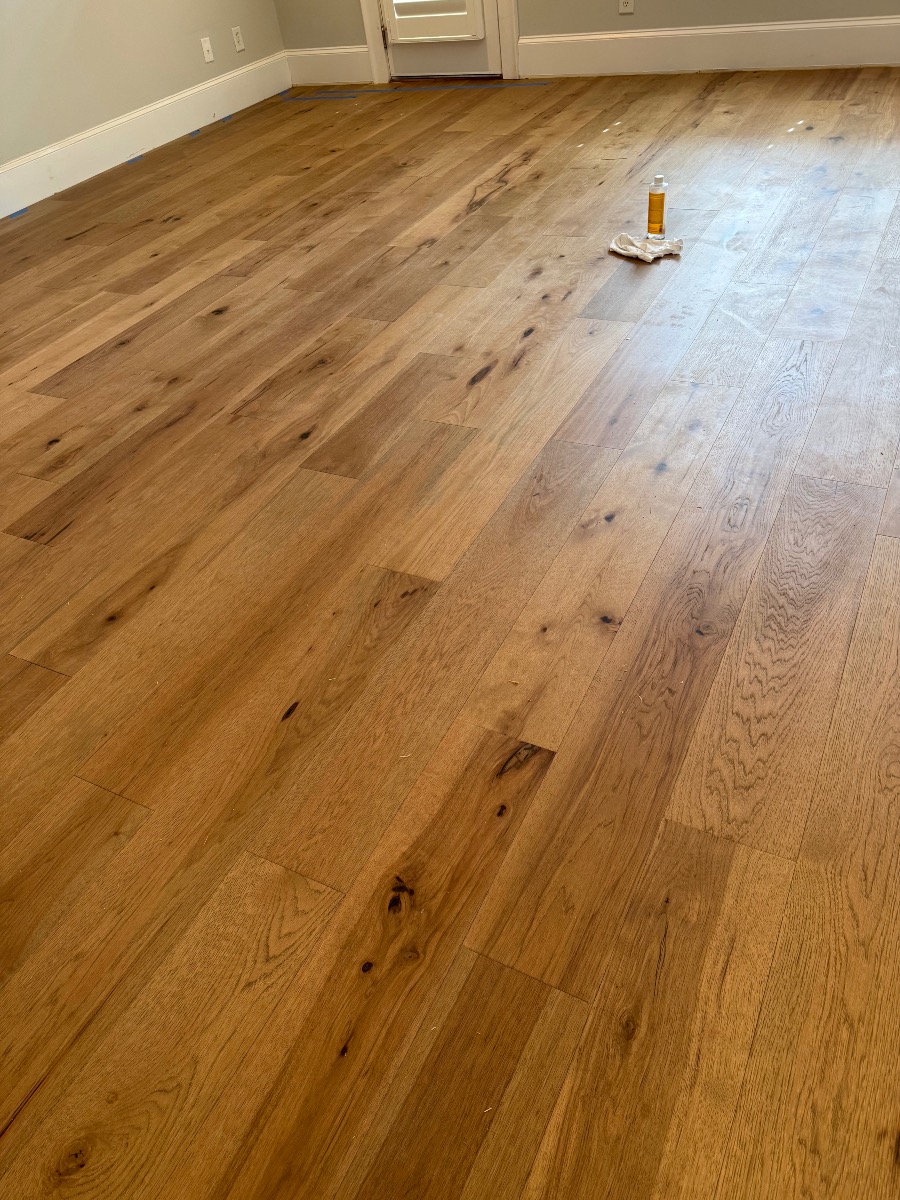
Tile is the toughest choice for wet zones and muddy entries. It shrugs off scratches and water with ease. Still, it can feel hard and cool, which matters if your dog lies on the floor for long stretches or someone in the house has sore knees.
This quick comparison helps keep the tradeoffs clear:
| Material | Scratch resistance | Water resistance | Comfort | Best use |
|---|---|---|---|---|
| Luxury vinyl plank | High | High | Warm, slightly softer | Whole-house use, family rooms, hallways |
| Porcelain or ceramic tile | Very high | Very high | Hard, cool | Entries, mudrooms, baths |
| Engineered hardwood | Medium | Medium | Warm, natural feel | Main living spaces where real wood matters |
| Laminate | Medium to high | Low to medium, varies by core | Moderate | Dry rooms with lighter pet messes |
Porcelain tile and quality LVP are the most forgiving when life gets messy. If your dog is large, active, or in and out of the yard all day, that forgiveness matters more than a slight difference in showroom style.
For homeowners comparing brands and categories, Home Depot’s guide to flooring for dogs and Lowe’s pet-resistant flooring overview land on the same basic truth. Floors with a tough top layer and strong water resistance usually perform best in real homes.
Laminate can still work, but it has a smaller margin for error. If water gets into the seams, swelling becomes a real problem. That’s why many homeowners pick LVP over laminate when pets, spills, and heavy traffic all happen in the same space.
Hardwood can work, but finish matters
Real wood still has strong appeal, and it doesn’t have to be ruled out. If you want wood, choose the species and finish with care. Oak holds up better than softer species like pine, and lower-gloss finishes hide wear much better than shiny ones.
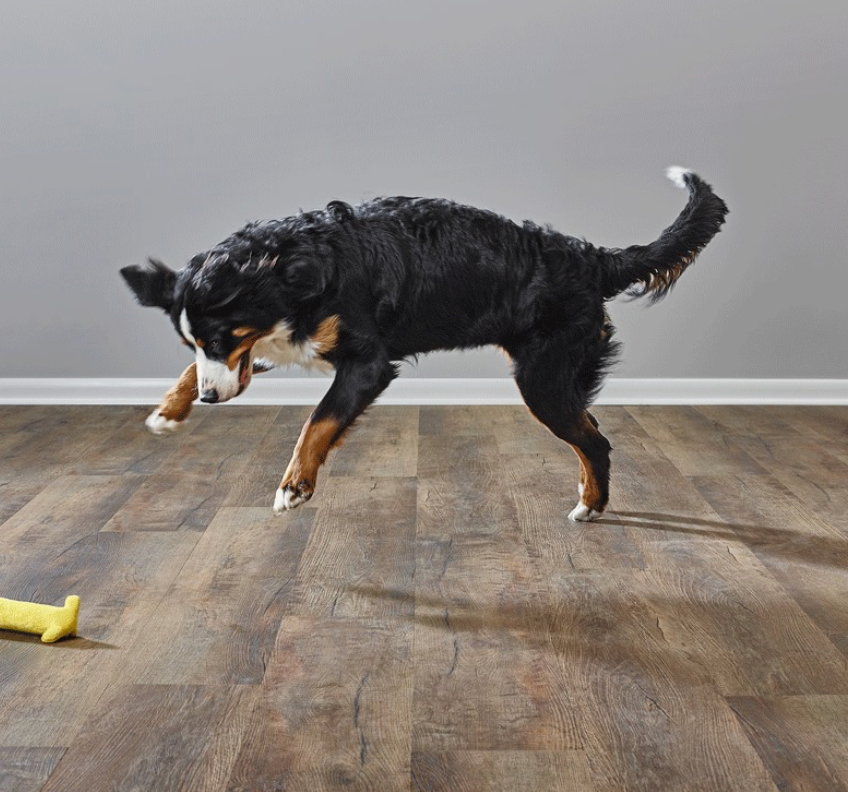
Engineered hardwood is often the better fit for pet owners because it handles normal moisture shifts more calmly than solid planks. If real wood is the goal, ask about hardwood flooring installation with durable finishes and practical board widths.
The main drawback is visible wear. Dogs can scratch the finish, especially where they pivot near doors, couches, and stair landings. Even so, hardwood ages in a way many homeowners like. Light marks often blend into the floor’s character instead of making it look ruined overnight.
Maintenance gives wood a longer life than many people think. Trim nails often, clean grit quickly, and use felt pads under furniture. When the surface starts to show its age, hardwood floor sanding can remove many surface marks, and a fresh coat can restore protection without a full replacement.
Match the floor to the room, not just the trend
One material doesn’t need to cover every room. In many houses, the smartest plan is to mix flooring based on how each area is used. The front entry, mudroom, and any door to the yard take the hardest abuse, so tougher surfaces pay off there.
Home remodeling often starts with cabinet samples, paint colors, and fixture choices. Yet the floor should come early in the plan, because it shapes how the room works every day. During kitchen remodeling, dropped bowls and regular spills push many homeowners toward LVP or tile. During bathroom remodeling or bathroom shower installation, waterproof flooring becomes even more important.
Open layouts add another challenge. A floor that looks perfect in the living room may fail at the patio door where wet paws come in. Meanwhile, tile that works beautifully near a shower can feel too cold in a family room.
Stairs deserve their own decision. Dogs push off hard on each step, and slick stair nosings raise the risk of slipping. A matte wood finish, textured vinyl tread, or low-pile runner often works better than glossy surfaces. If you have a senior dog, stair traction matters as much as scratch resistance.
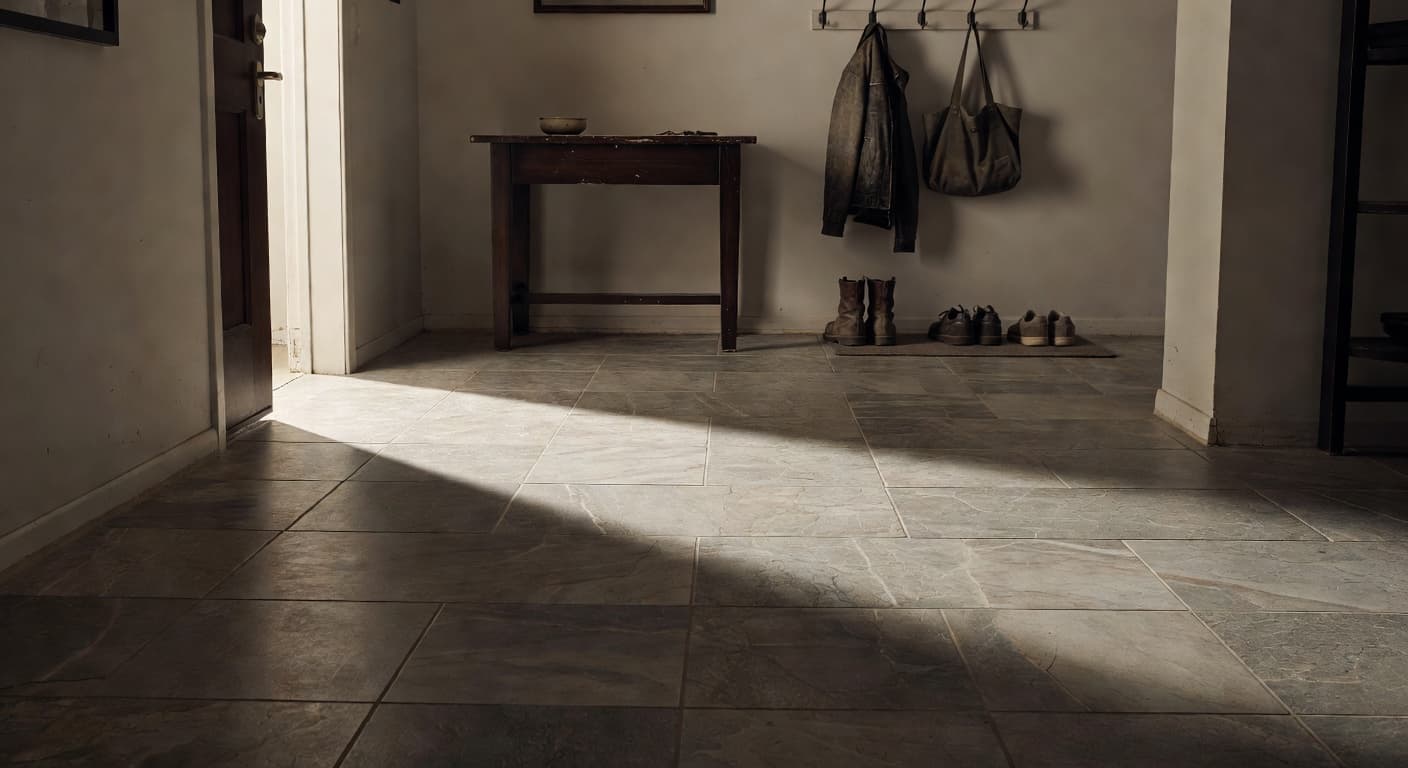
If you want the house to feel consistent, keep the color family steady across materials. Wood-look vinyl in the main living spaces can pair well with stone-look tile in entries and baths. That gives you a cohesive look without forcing one product into every condition.
Good installation protects your investment
Even the best product fails when the prep work is weak. Uneven subfloors, poor transitions, bad expansion gaps, and rushed cuts create problems that pet owners notice fast. Gaps trap dirt, lifted edges catch claws, and hollow spots wear down sooner.
This matters even more in bigger projects. Flooring often overlaps with kitchen remodeling, bathroom remodeling, or broader Home remodeling plans. If you’re also working with a local basement finishing company, a local remodeling contractor, or a local flooring company, ask who handles moisture checks, subfloor flatness, and doorway transitions before the first plank or tile goes down.
Before installation day, bring home a few samples and test them the way your house lives. Walk on them in socks. Set one near the water bowl. Watch how fur, dust, and sunlight read across the surface at different times of day.
Good planning also helps after the install. Use rugs with solid grip at exterior doors, keep water bowls on trays, and choose satin or matte finishes when possible. Those small choices often cut visible wear more than pricey upgrades.
Conclusion
The right floor for dogs and heavy traffic isn’t always the hardest one or the most expensive one. It’s the floor that fits your rooms, your cleanup habits, and the way your household moves every day.
For many homes, dog-friendly flooring comes down to two dependable picks: luxury vinyl plank for all-around performance, and tile for wet, high-impact zones. Hardwood can still be a strong choice when you pick the right species, finish, and care plan.
Your home deserves to look its absolute best. At Atlanta Floor One, we specialize in turning worn-out wood into stunning centerpieces. We offer cost-effective rates, turnkey service, and our amazing team handles everything from the initial sanding to the final coat! Ready to fall in love with your home again?